
Shopping Cart
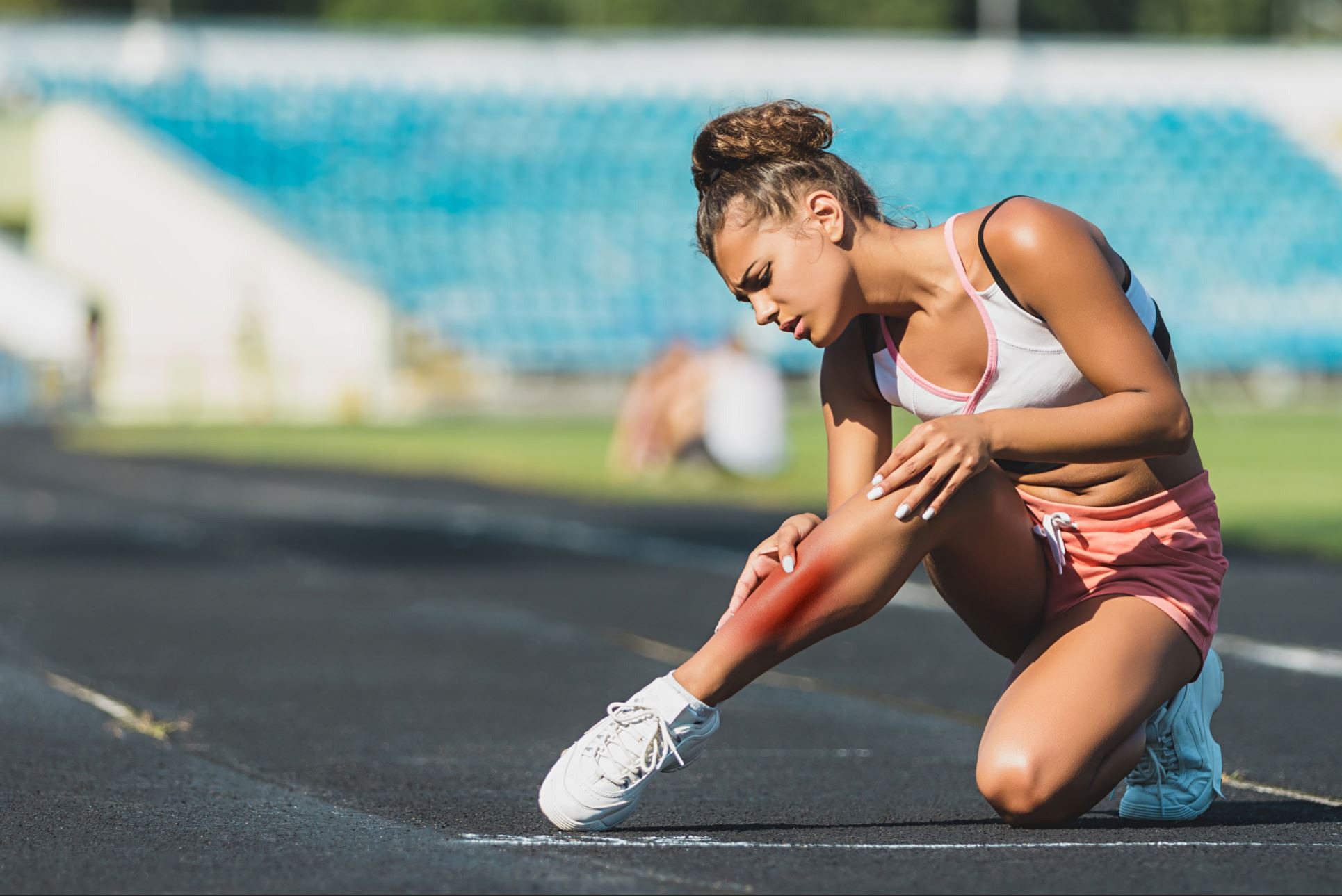
PRP is used and studied for muscle and tendon disorders. Results vary considerably by injury, preparation, comparator and rehabilitation programme.
Sports medicine · Evidence review · Updated August 2026
PRP for sports injuries: three common applications under review
PRP is used and studied for muscle and tendon disorders. Results vary considerably by injury, preparation, comparator and rehabilitation programme.
1PRP is not a uniformly composed procedure.
2Results from one injury cannot be transferred to another.
3Diagnosis, load management and rehabilitation remain decisive.
What is PRP?
PRP is a plasma fraction obtained from the patient’s own blood with an altered platelet concentration compared with whole blood. Tube, anticoagulant, rotor, RCF, runtime and withdrawal technique influence the final fraction, limiting direct comparison between studies and protocols.
Blood→Centrifugation→Plasma fraction→Clinical protocol
Three commonly discussed applications
Tennis elbow
Lateral elbow tendinopathy
Corticosteroids may provide stronger short-term effects. Some studies show longer-term advantages for PRP, but reliable superiority over placebo or rehabilitation has not been established.
possible long-term signalPatellar tendinopathy
Jumper’s knee
Evidence is conflicting. Small trials report improvement, while others find no relevant added benefit over sham treatment. Structured exercise remains central.
inconsistent evidenceHamstring injury
Acute posterior thigh injury
Meta-analyses report an earlier average return to sport. Studies differ substantially, and a lower reinjury rate has not been demonstrated.
signal for earlier returnHow should the evidence be read?
The scale describes the current strength of clinical evidence, not suitability for an individual patient.
PRP does not work equally for every sports injury
For chronic Achilles tendinopathy, placebo-controlled studies have not shown a reliable added benefit. Evidence for rotator cuff disorders is also inconsistent. Findings from one anatomical region should not be generalised.
Questions before treatment
Which structure is actually affected?
Is the problem acute or a chronic overload condition?
Which conservative measures have been completed consistently?
Which PRP system and protocol will be used?
How will rehabilitation and return-to-sport testing be organised?
Risks and limitations
Autologous does not mean risk-free. Temporary pain, irritation, swelling, bleeding, infection or injury to adjacent structures may occur. A specific outcome or healing time cannot be guaranteed.
Clinical interpretation
PRP may be discussed as an adjunct option for selected muscle and tendon disorders. Current evidence does not support a broad claim that sports injuries heal reliably faster or more completely with PRP.
Further links
Commercial notice: The following links lead to prpmed products and professional information. Selection and use must follow intended purpose, instructions for use and system compatibility.
Frequently asked questions
Is PRP suitable for every sports injury?
No. Evidence differs considerably by tissue, diagnosis and stage.
Can PRP replace rehabilitation?
No. Load management and structured rehabilitation usually remain central.
Does an earlier return to sport mean complete healing?
No. Return time, tissue healing, function and reinjury risk are different outcomes.
Selected sources
- Systematic review: acute hamstring injuries (2026)
- Randomised trial: patellar tendinopathy
- NICE: autologous blood injection for tendinopathy
- AAOS clinical practice guideline: rotator cuff injuries
Medical notice
This article provides general professional information and does not replace an individual diagnosis or treatment recommendation. Medical assessment, current guidelines and product instructions remain decisive.
Transparency
prpmed is a specialist supplier of PRP tubes, centrifuges and accessories, not a provider of medical treatment.