
Shopping Cart
The information we provide is for your information only and does not replace a personal consultation, examination or diagnosis by a registered doctor.
In principle, no remote diagnosis or therapy suggestion can be made in individual cases. The information and content provided is intended to offer general, non-binding support to those seeking advice. The information provided by the respective experts is no substitute for a visit to the doctor, but can usefully supplement and support the dialogue between patient and doctor.
We do not offer advice, recommendations or enquiries about the purchase and/or use of medicines, other health products, diagnostic or therapeutic procedures.
We also warn against self-medication. The content provided by us cannot and should not be used to make an independent diagnosis and/or independent selection and application, or to change or discontinue any medication, other health product or healing process. Please consult your doctor or pharmacist for this!
The content available on our website is carefully compiled and meets high quality standards. Medical texts are written by experts. The accuracy of the content is regularly checked and updated. Knowledge in medicine is subject to constant change through scientific research and development in medical practice. Our authors and medical experts ensure that medical information is presented correctly and comprehensibly, even for laypersons. However, we and third parties do not assume any responsibility for the completeness, accuracy, correctness and up-to-dateness of the contents of the website.

PRP for Sports Injuries: Three Common Applications Reviewed
PRP is used in sports medicine for various muscle and tendon conditions. This article reviews tennis elbow, patellar tendinopathy and hamstring injuries and examines the current clinical evidence. The results vary considerably depending on the injury, the PRP preparation and the accompanying rehabilitation programme.
Read more
PRP in Gynecology – A Critical Look at Vaginal Rejuvenation
PRP in gynecology is increasingly discussed in connection with vaginal atrophy, dryness, dyspareunia and sexual function. This article reviews the current evidence, clearly distinguishes PRP from PRF and i-PRF, and explains why standardization, centrifugation and PRP tubes matter for reproducible workflows.
Read more
PRP treatment for wrist pain
PRP is being studied for several causes of wrist pain. This article reviews the evidence for de Quervain tenosynovitis, carpal tunnel syndrome, osteoarthritis and TFCC injuries, while explaining the current limitations.
Read more
Why should you offer PRP injections in your medical practice?
When does PRP make sense for a medical practice? This expert article explains which patient groups may benefit from a PRP offering, how current evidence should be interpreted, and what matters in preparation, documentation, technical setup and billing. The focus is on a safe, reproducible clinical workflow with realistic medical communication and no promises of guaranteed results.
Read more
PRP (Platelet Rich Plasma) in cardiac surgery
PRP is being investigated in cardiac surgery in several fundamentally different settings. This professional article separates three research fields: topical PRP for sternal and surgical wounds, autologous platelet-rich procedures used in perioperative blood management, and experimental myocardial applications. Observational studies, randomized trials, meta-analyses, retractions and recent data from aortic surgery are critically reviewed up to 2026 without making general claims of clinical efficacy.
Read more
PRP in COPD: current research and clinical findings
PRP is being investigated as a possible regenerative approach in COPD. This article reviews early clinical observations and preclinical data, explaining why positive signals do not yet amount to reliable proof of efficacy.
Read more
PRP treatment for periodontal disease
PRP in periodontal disease: evidence, limits and practical clinical relevance for practitioners.
Read more
PRP (Platelet Rich Plasma) therapy in dermatology
PRP is used in dermatology for androgenetic alopecia, atrophic acne scars, skin regeneration and selected wound-care concepts. This article reviews the current evidence, distinguishes established findings from preliminary data and explains why preparation method, treatment protocol and hygiene strongly influence clinical outcomes.
Read more
Use of PRP (Platelet Rich Plasma) therapy in dogs with pain.
PRP is being studied in veterinary orthopaedics for osteoarthritis, joint problems, and tendon or ligament injuries. This article explains the principle, procedure, possible applications, risks, and limited evidence without making general claims of healing.
Read more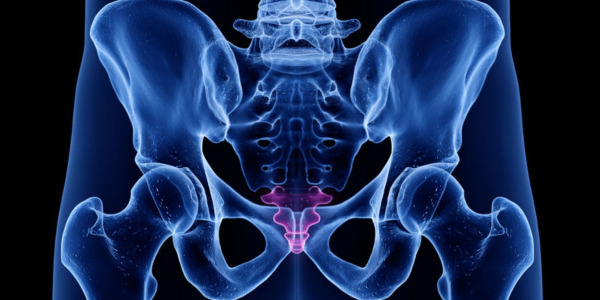
PRP (Platelet Rich Plasma) treatment for coccygodynia
Coccydynia describes persistent pain around the tailbone that may occur after falls, childbirth or prolonged pressure while sitting. This article explains diagnostic assessment and established treatment options and provides a balanced review of the current evidence on PRP injections. Initial case reports and small studies suggest possible benefits, but the available data are not yet sufficient for a general recommendation.
Read more