
Shopping Cart
Expertise and background
The prpmed blog on PRP and PRF
The prpmed blog offers professional users and interested readers factual articles on platelet-rich plasma, PRF, blood collection and centrifugation. The articles explain technical principles, summarise published studies and put clinically discussed fields of application, including their limitations, into context. Further topics include PRP tubes, centrifuges, preparation parameters and standardised workflows in professional settings.
- PRP and PRF
- Clinical evidence
- PRP preparation
- Centrifugation
- Practical knowledge
Medical notice: The articles are intended for general information and professional context. They do not replace individual medical advice, examination, diagnosis or treatment and are not instructions for self-treatment or self-administration.
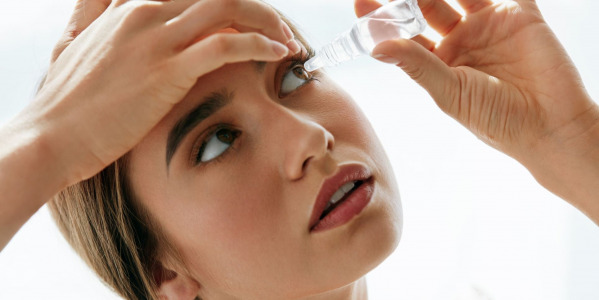
PRP therapy for eye diseases
This specialist article reviews the use of autologous PRP eye drops in ophthalmology. It covers the current evidence for ocular surface disorders, possible clinical applications, and the professional preparation of PRP using suitable PRP tubes and a compatible centrifuge such as the Hettich EBA 200 MD.
Read more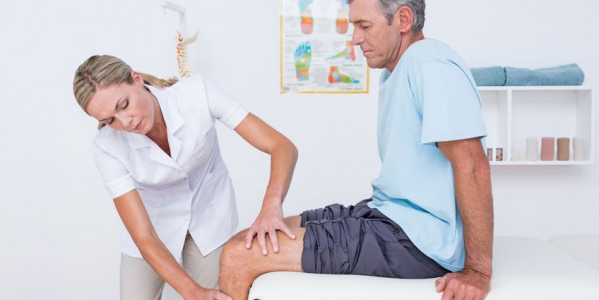
PRP treatment for knee pain
Does PRP treatment work for knee pain? Platelet-rich plasma (PRP) injections are a novel treatment for pain associated with osteoarthritis of the knee.
Read more
PRP treatment for erectile dysfunction
Erectile dysfunction can have vascular, hormonal, neurological, medication-related or psychological causes. This article explains established treatment approaches, reviews the current evidence on PRP and outlines how urological guidelines assess the procedure.
Read more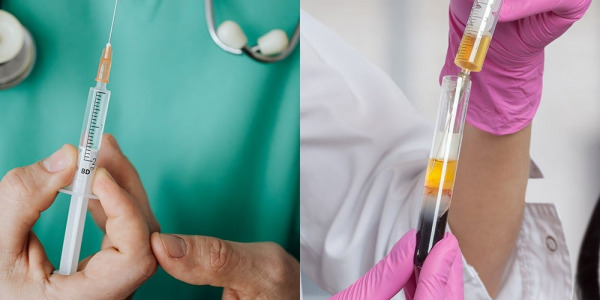
PRP injection or cortisone injection? - Which is the best option?
PRP and cortisone differ in their therapeutic concepts. Cortisone is used medically for local anti-inflammatory treatment and short-term symptom control. PRP is derived from the patient's own blood and is discussed within the context of biological therapy concepts. Suitable PRP tubes, an appropriate centrifuge, defined RCF values, and a reproducible protocol are important for PRP preparation. The decision between PRP and cortisone depends on the diagnosis, tissue, inflammatory activity, and medical indication.
Read more
The right care after PRP treatment
Proper care after PRP treatment is not a minor issue, yet it is often communicated imprecisely. This article explains what is actually sensible after PRP, where the evidence stops, and why standardization in preparation, centrifugation, and PRP tubes matters for reproducible workflows.
Read more
Treat dark circles with PRP therapy
Dark circles may result from pigmentation, visible blood vessels, a pronounced tear trough, thin skin, swelling or several combined factors. This article explains the causes, clinical studies on PRP, safety data and technical aspects of PRP preparation.
Read more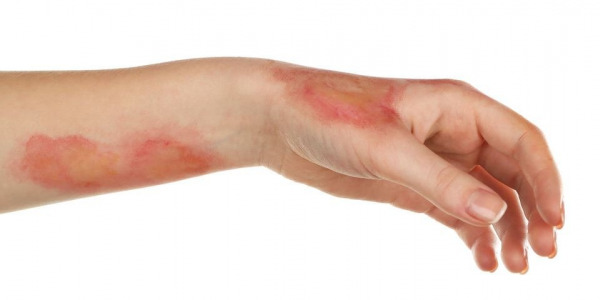
PRP therapy for injury scars
Traumatic, surgical and burn scars develop under different biological conditions. This article explains scar types, wound healing, clinical studies on PRP, safety data and technical aspects of PRP preparation without recommending for or against a treatment.
Read more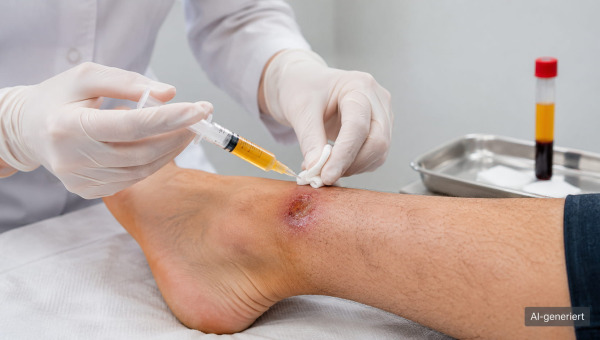
Wound healing through PRP therapy
PRP is being studied as an adjunctive procedure in wound healing, particularly for chronic diabetic foot ulcers. This article explains the biological rationale, current evidence, possible applications, and limitations.
Read more
PRP treatment for acne
PRP is mainly discussed for acne scars as an adjunctive approach to procedures such as microneedling, laser treatment or subcision. This article provides a factual review of the current evidence, clearly separates active acne from post-acne scarring, and explains why PRP preparation, tubes, centrifugation and protocols matter for professional users.
Read more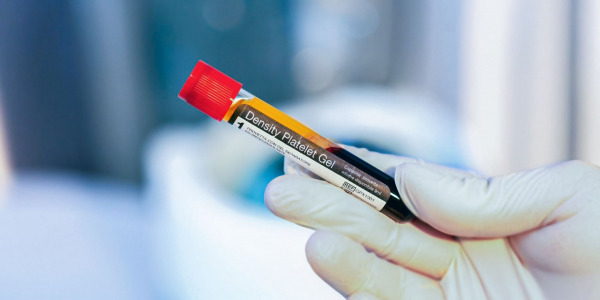
Density Platelet Gel PRP Tubes Without Additives: PRP and PRF Protocols Compared
What makes Density Platelet Gel PRP tubes different from conventional PRP tubes? This professional guide explains glass tubes without anticoagulant or separation gel, PRF protocols such as L-PRF, A-PRF and A-PRF+, and the relevance of RCF, centrifugation time, tube material and centrifuge geometry. It also includes calculated values for the Hettich EBA 200 MD and distinguishes literature protocols from manufacturer specifications.
Read more