
Shopping Cart

PRP (Platelet Rich Plasma) therapy for plantar fasciitis
PRP is being studied as an additional treatment option for chronic or difficult-to-treat plantar fasciitis. This article reviews possible applications, compares PRP with corticosteroid injections and explains the current evidence, risks and conservative alternatives.
Read more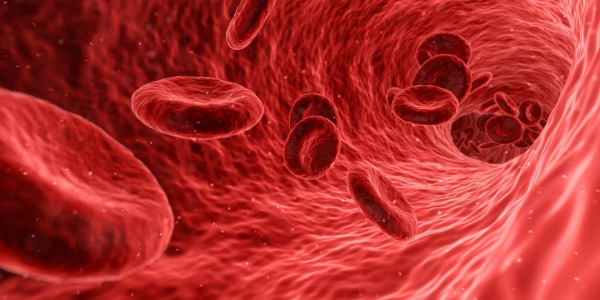
What are platelet rich plasma (PRP) injections?
Times have changed since the days of bloodshed, when doctors treated their patients by drawing blood from them. Now a procedure called platelet-rich plasma therapy has emerged in which some of the blood is injected back into a diseased joint. You could say it's bloodshed in reverse.
Read more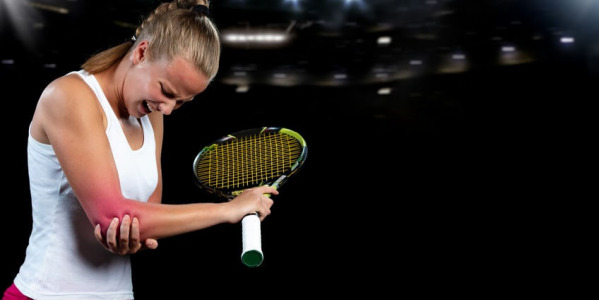
Does PRP therapy help with tennis elbow?
Does PRP therapy help with tennis elbow? We examine the use of autologous plasma in orthopedics, explain the biological mechanisms of action of concentrated platelets, and provide an overview of the current state of scientific discussion regarding this treatment method.
Read more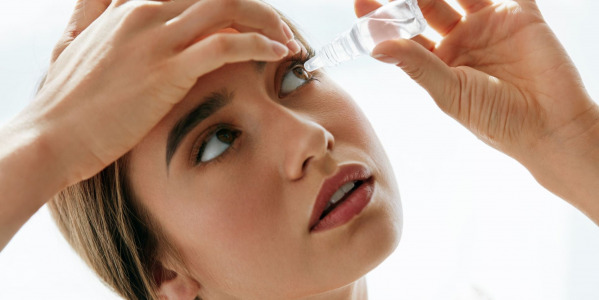
PRP therapy for eye diseases
This specialist article reviews the use of autologous PRP eye drops in ophthalmology. It covers the current evidence for ocular surface disorders, possible clinical applications, and the professional preparation of PRP using suitable PRP tubes and a compatible centrifuge such as the Hettich EBA 200 MD.
Read more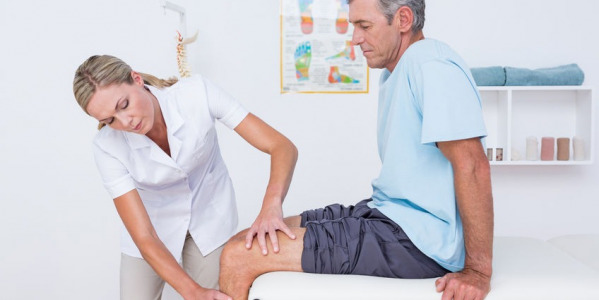
PRP treatment for knee pain
Does PRP treatment work for knee pain? Platelet-rich plasma (PRP) injections are a novel treatment for pain associated with osteoarthritis of the knee.
Read more
PRP treatment for erectile dysfunction
Erectile dysfunction can have vascular, hormonal, neurological, medication-related or psychological causes. This article explains established treatment approaches, reviews the current evidence on PRP and outlines how urological guidelines assess the procedure.
Read more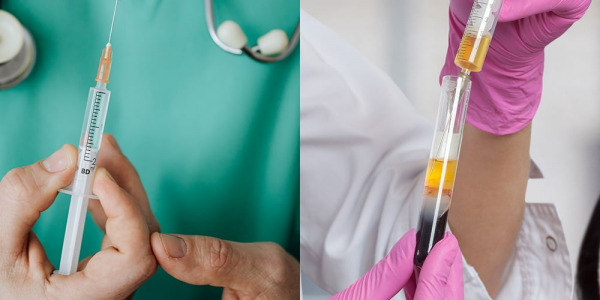
PRP injection or cortisone injection? - Which is the best option?
PRP and cortisone differ in their therapeutic concepts. Cortisone is used medically for local anti-inflammatory treatment and short-term symptom control. PRP is derived from the patient's own blood and is discussed within the context of biological therapy concepts. Suitable PRP tubes, an appropriate centrifuge, defined RCF values, and a reproducible protocol are important for PRP preparation. The decision between PRP and cortisone depends on the diagnosis, tissue, inflammatory activity, and medical indication.
Read more
The right care after PRP treatment
Proper care after PRP treatment is not a minor issue, yet it is often communicated imprecisely. This article explains what is actually sensible after PRP, where the evidence stops, and why standardization in preparation, centrifugation, and PRP tubes matters for reproducible workflows.
Read more
Treat dark circles with PRP therapy
Dark circles may result from pigmentation, visible blood vessels, a pronounced tear trough, thin skin, swelling or several combined factors. This article explains the causes, clinical studies on PRP, safety data and technical aspects of PRP preparation.
Read more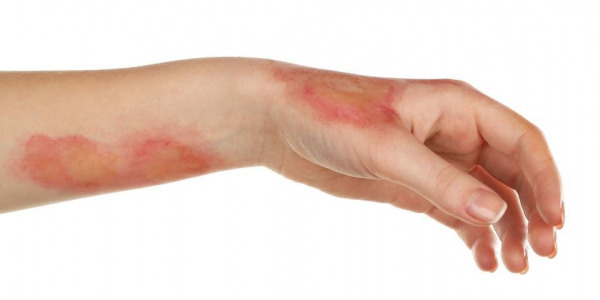
PRP therapy for injury scars
Traumatic, surgical and burn scars develop under different biological conditions. This article explains scar types, wound healing, clinical studies on PRP, safety data and technical aspects of PRP preparation without recommending for or against a treatment.
Read more