
Shopping Cart

PRP treatment for wrist pain
PRP is being studied for several causes of wrist pain. This article reviews the evidence for de Quervain tenosynovitis, carpal tunnel syndrome, osteoarthritis and TFCC injuries, while explaining the current limitations.
Read more
Why should you offer PRP injections in your medical practice?
When does PRP make sense for a medical practice? This expert article explains which patient groups may benefit from a PRP offering, how current evidence should be interpreted, and what matters in preparation, documentation, technical setup and billing. The focus is on a safe, reproducible clinical workflow with realistic medical communication and no promises of guaranteed results.
Read more
PRP (Platelet Rich Plasma) in cardiac surgery
PRP is being investigated in cardiac surgery in several fundamentally different settings. This professional article separates three research fields: topical PRP for sternal and surgical wounds, autologous platelet-rich procedures used in perioperative blood management, and experimental myocardial applications. Observational studies, randomized trials, meta-analyses, retractions and recent data from aortic surgery are critically reviewed up to 2026 without making general claims of clinical efficacy.
Read more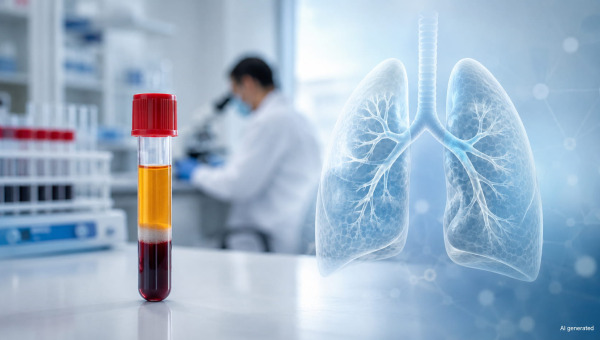
PRP in COPD: current research and clinical findings
PRP is being investigated as a possible regenerative approach in COPD. This article reviews early clinical observations and preclinical data, explaining why positive signals do not yet amount to reliable proof of efficacy.
Read more
PRP treatment for periodontal disease
PRP in periodontal disease: evidence, limits and practical clinical relevance for practitioners.
Read more
PRP (Platelet Rich Plasma) therapy in dermatology
PRP is used in dermatology for androgenetic alopecia, atrophic acne scars, skin regeneration and selected wound-care concepts. This article reviews the current evidence, distinguishes established findings from preliminary data and explains why preparation method, treatment protocol and hygiene strongly influence clinical outcomes.
Read more
Use of PRP (Platelet Rich Plasma) therapy in dogs with pain.
PRP is being studied in veterinary orthopaedics for osteoarthritis, joint problems, and tendon or ligament injuries. This article explains the principle, procedure, possible applications, risks, and limited evidence without making general claims of healing.
Read more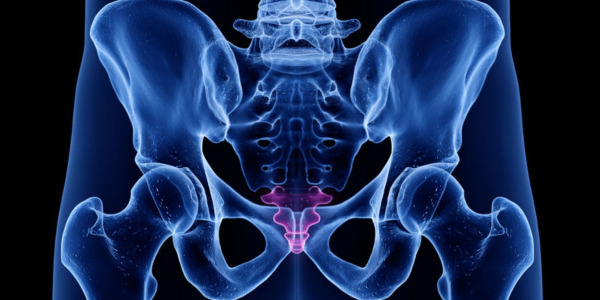
PRP (Platelet Rich Plasma) treatment for coccygodynia
Coccydynia describes persistent pain around the tailbone that may occur after falls, childbirth or prolonged pressure while sitting. This article explains diagnostic assessment and established treatment options and provides a balanced review of the current evidence on PRP injections. Initial case reports and small studies suggest possible benefits, but the available data are not yet sufficient for a general recommendation.
Read more
PRP treatment for shoulder pain
Professional overview of PRP treatment for shoulder pain, rotator cuff disorders, shoulder osteoarthritis, frozen shoulder and current evidence.
Read more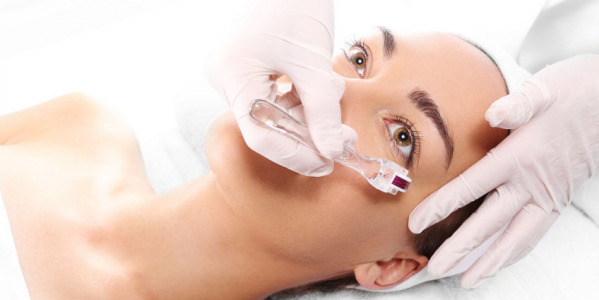
Microneedling for acne scars
Microneedling is mainly used for atrophic acne scars. This article explains scar types, the treatment mechanism, current evidence, possible risks and the combination with PRP.
Read more