
Shopping Cart
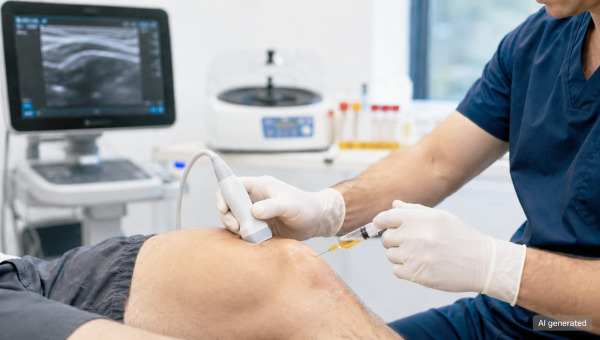
What is the effect of PRP therapy in orthopaedics?
PRP is studied in orthopaedics for knee osteoarthritis, tendon disorders and selected sports injuries. This article explains its proposed effects, clinical evidence, limitations, risks and technical preparation.
Read more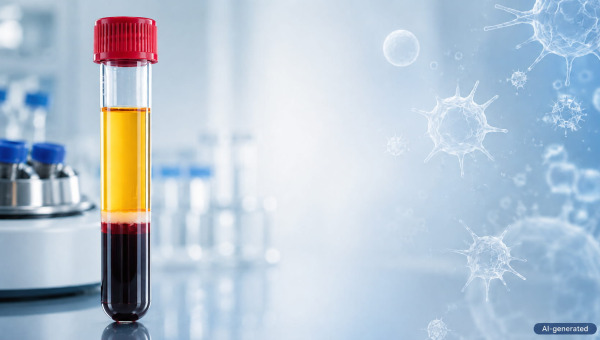
Platelet-rich plasma: the key to PRP therapy
Platelet-rich plasma, or PRP, is prepared from a patient’s own blood and contains an increased concentration of platelets. This article explains its biological basis, preparation, differences between PRP products, and the current evidence on effects, safety, and standardisation.
Read more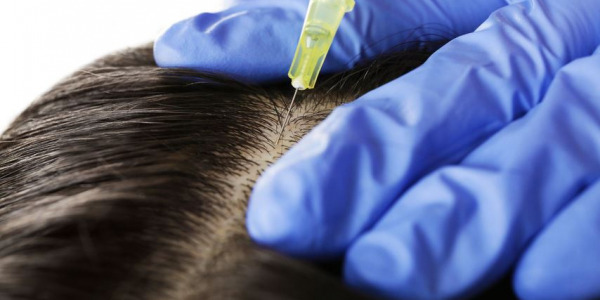
Does PRP treatment work for hair loss?
PRP is primarily studied for androgenetic hair loss. This article explains how PRP hair treatment is performed, what current research indicates about hair density, and why results may vary depending on the preparation method and treatment protocol.
Read more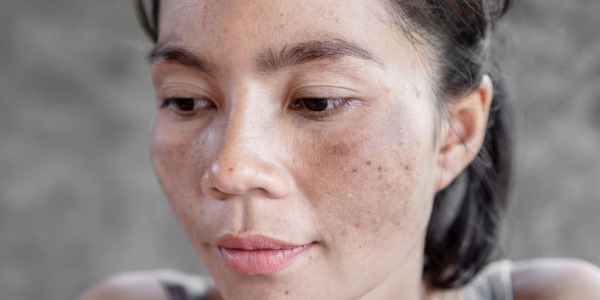
PRP treatment against melasma
Melasma is a chronic pigment disorder with different contributing factors and a marked tendency to recur. This article explains diagnosis, photoprotection, established treatment approaches and the current clinical evidence on PRP.
Read more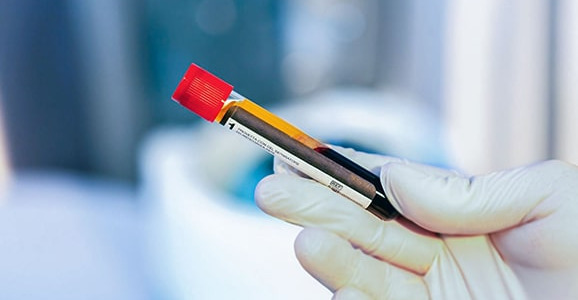
What are PRP tubes?
Platelet-rich plasma, better known as PRP, is an autologous procedure in which a person's whole blood is drawn. The platelets are then concentrated using a centrifuge and special PRP tubes. The platelets, which contain several growth factors, are then taken again -in this feature injected into the same person makes PRP alone a very safe procedure that eliminates the likelihood of contracting communicable diseases.
Read more
PRP for Diabetic Foot Ulcers: Evidence, Potential and Limitations
PRP is being investigated as an adjunctive option for difficult-to-heal diabetic foot ulcers. This article reviews the current evidence, different application methods and why offloading, infection control and vascular assessment remain essential.
Read more
PRP therapy for back pain
Professional overview of PRP therapy for back pain, discogenic pain, facet joints, sacroiliac joint pain and current evidence.
Read more
Platelet Rich Plasma (PRP) for brain injuries
PRP in brain injury is mainly being investigated in cell cultures and animal models. This article reviews the current evidence, explains the limits of translation to clinical practice and shows why PRP is not an established standard treatment for traumatic brain injury, stroke or encephalitis.
Read more
PRP for Sports Injuries: Three Common Applications Reviewed
PRP is used in sports medicine for various muscle and tendon conditions. This article reviews tennis elbow, patellar tendinopathy and hamstring injuries and examines the current clinical evidence. The results vary considerably depending on the injury, the PRP preparation and the accompanying rehabilitation programme.
Read more
PRP in Gynecology – A Critical Look at Vaginal Rejuvenation
PRP in gynecology is increasingly discussed in connection with vaginal atrophy, dryness, dyspareunia and sexual function. This article reviews the current evidence, clearly distinguishes PRP from PRF and i-PRF, and explains why standardization, centrifugation and PRP tubes matter for reproducible workflows.
Read more