
Shopping Cart
The information we provide is for your information only and does not replace a personal consultation, examination or diagnosis by a registered doctor.
In principle, no remote diagnosis or therapy suggestion can be made in individual cases. The information and content provided is intended to offer general, non-binding support to those seeking advice. The information provided by the respective experts is no substitute for a visit to the doctor, but can usefully supplement and support the dialogue between patient and doctor.
We do not offer advice, recommendations or enquiries about the purchase and/or use of medicines, other health products, diagnostic or therapeutic procedures.
We also warn against self-medication. The content provided by us cannot and should not be used to make an independent diagnosis and/or independent selection and application, or to change or discontinue any medication, other health product or healing process. Please consult your doctor or pharmacist for this!
The content available on our website is carefully compiled and meets high quality standards. Medical texts are written by experts. The accuracy of the content is regularly checked and updated. Knowledge in medicine is subject to constant change through scientific research and development in medical practice. Our authors and medical experts ensure that medical information is presented correctly and comprehensibly, even for laypersons. However, we and third parties do not assume any responsibility for the completeness, accuracy, correctness and up-to-dateness of the contents of the website.

RCF/RPM Calculator
Convert centrifugal force and rotational speed using the actual rotor radius. The calculator converts RCF to RPM and RPM to × g for the technical transfer of PRP, PRF and laboratory protocols.
Read more
Which centrifuge for PRP and PRF? Buying guide for practices
Professional buying guide for PRP and PRF centrifuges: MDR, IVDR, RCF, RPM, rotor type, tube compatibility and practical requirements.
Read more
PRP cost-benefit analysis: calculating treatments efficiently
Professional overview of PRP cost calculation: material use, tube requirements, contribution margin, amortisation, billing aspects and practice workflow.
Read more
Melatonin in PRP Therapy: Current Evidence in Hair Treatment
A factual overview of current research on melatonin, hair follicles and PRP in the context of dermatological hair treatments.
Read more
How to Set PRP Centrifugation Correctly: RCF, RPM, Rotor and Time
Technical guide to setting PRP centrifugation correctly. The article explains the difference between RPM and RCF, the importance of rotor radius, rotor type, runtime, soft stop and system-specific PRP/PRF protocols.
Read more
PRP Tubes Made of Glass or Plastic? Material Comparison for PRP & PRF
Technical comparison of PRP tubes made of glass and plastic. The article explains material properties, borosilicate glass, PET, intended purpose, CE marking and the selection of suitable tubes for PRP and PRF protocols.
Read more
How to Identify Suitable PRP Tubes: CE, MDR and Documentation
A technical guide for professional users on selecting suitable PRP tubes. The article explains intended purpose, CE marking, MDR, IVD distinction, LOT/UDI documentation and key material features.
Read more
PRP Tubes With or Without Separation Gel? PRP & PRF Comparison
Technical comparison of PRP tubes with separation gel and PRP/PRF glass tubes without separation gel. The article explains key differences regarding sodium citrate, separation gel, PRF suitability and professional use.
Read more
PRP for Temporomandibular Disorders (TMD): Evidence, PRF and Protocols
What does the current evidence show about PRP for temporomandibular disorders? This specialist article reviews PRP in TMJ osteoarthritis and other intra-articular TMD, compares it with arthrocentesis, hyaluronic acid, corticosteroids and PRF/i-PRF, and explains why differences in PRP preparation make studies difficult to compare.
Read more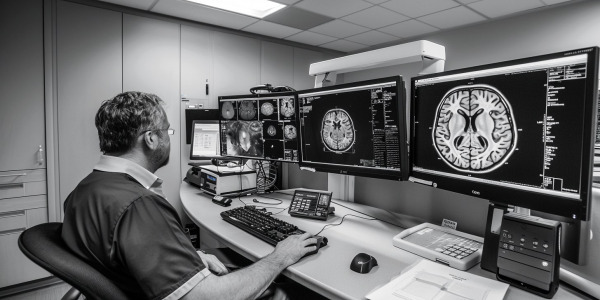
PRP and Neuroregeneration: Can Platelet-Rich Plasma Support Nerve Healing?
Can PRP support regenerative processes in injured nerves? This review examines current evidence on peripheral nerves, Schwann cells, nerve conduction, neuropathic pain and experimental research involving the spinal cord and brain.
Read more