
Shopping Cart
The information we provide is for your information only and does not replace a personal consultation, examination or diagnosis by a registered doctor.
In principle, no remote diagnosis or therapy suggestion can be made in individual cases. The information and content provided is intended to offer general, non-binding support to those seeking advice. The information provided by the respective experts is no substitute for a visit to the doctor, but can usefully supplement and support the dialogue between patient and doctor.
We do not offer advice, recommendations or enquiries about the purchase and/or use of medicines, other health products, diagnostic or therapeutic procedures.
We also warn against self-medication. The content provided by us cannot and should not be used to make an independent diagnosis and/or independent selection and application, or to change or discontinue any medication, other health product or healing process. Please consult your doctor or pharmacist for this!
The content available on our website is carefully compiled and meets high quality standards. Medical texts are written by experts. The accuracy of the content is regularly checked and updated. Knowledge in medicine is subject to constant change through scientific research and development in medical practice. Our authors and medical experts ensure that medical information is presented correctly and comprehensibly, even for laypersons. However, we and third parties do not assume any responsibility for the completeness, accuracy, correctness and up-to-dateness of the contents of the website.
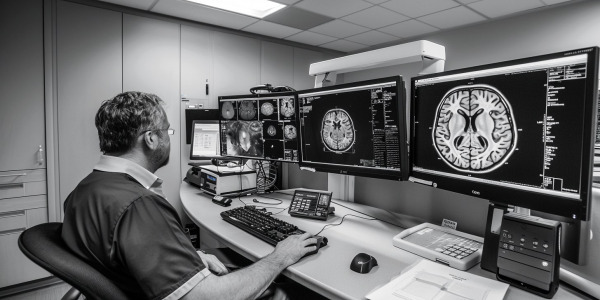
PRP and Neuroregeneration: Can Platelet-Rich Plasma Support Nerve Healing?
Can PRP support regenerative processes in injured nerves? This review examines current evidence on peripheral nerves, Schwann cells, nerve conduction, neuropathic pain and experimental research involving the spinal cord and brain.
Read more
Dyspareunia, PRP and Quality of Life: What Current Studies Show
What can current research actually tell us about PRP for dyspareunia? This evidence-based review examines GSM, vulvovaginal atrophy, sexual function and lichen sclerosus, separating controlled findings from preliminary data.
Read more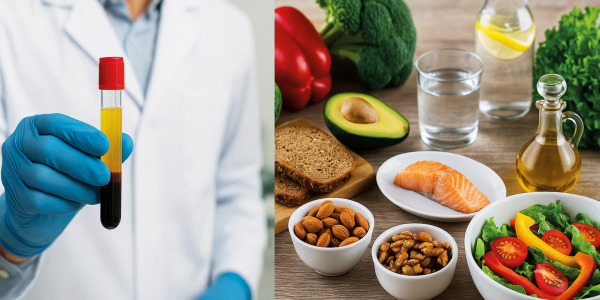
PRP and the role of nutrition: Optimizing patient response through pre- and post-therapeutic measures
Nutrition can make all the difference: Discover how micronutrients, a low-inflammatory diet, and targeted preventive measures improve the effectiveness of PRP therapies—scientifically proven and explained in practical terms.
Read more
PRP in pain therapy: beyond the joints - new indications and protocols
Discover the revolutionary applications of Platelet Rich Plasma (PRP) in pain management that go far beyond joint pain. This article highlights how PRP effectively treats neuropathic pain, fascial disorders and chronic back pain, and provides medical professionals with sound insights into protocols, practical considerations and legal aspects. Learn how PRP has the potential to make a lasting difference in pain management. Translated with DeepL.com (free version)
Read more
PRP treatment: When caution is advised – A comprehensive guide to contraindications for medical professionals and patients
Not everyone benefits from PRP: Find out in this article who is not suitable for autologous blood therapy for hair loss, osteoarthritis, or skin treatments. With medical depth, clear explanations, and references to studies – understandable for patients and doctors.
Read more
Telozytes and their symphony with PRP
Telozytes—the unknown communication cells—unleash fascinating potential in regenerative medicine when combined with PRP. Discover how this cell duo could revolutionize tissue healing. Find out now!
Read more
The symphony of hearing: How the body's own PRP is giving new hope in otology
PRP (platelet-rich plasma) is increasingly revolutionizing otology. This specialist article provides in-depth, practical information on how PRP is used to treat sudden hearing loss, tinnitus, and cochlear damage, including studies, protocols, recommended materials, and legally compliant application.
Read more
PRP and Liver Regeneration: Research on Fibrosis and Cirrhosis
Can platelet-rich plasma influence regenerative processes in the liver? Preclinical studies indicate possible effects on inflammation, oxidative stress and fibrotic signalling. However, reliable clinical evidence in humans is still lacking. This article examines proposed mechanisms, animal studies, PRP-derived vesicles and the limitations of this experimental approach.
Read more
Temperature-controlled PRP in modern medicine: basics, advantages, and applications
t-PRP – temperature-controlled platelet-rich plasma – is considered the next stage in autologot-PRP uses temperature changes to activate platelets without chemical additives. Initial in vitro data suggest a delayed release of growth factors. Overview of methodological principles, preliminary evidence, and potential applications in dermatology, orthopedics, and other specialties.us blood therapy. Without any additives, it activates the body's healing powers in a targeted, long-lasting, and particularly well-tolerated manner. New applications are emerging in aesthetics, trichology, urology, and gynecology. Find out what makes t-PRP so unique – medically sound and explained in an exciting way.
Read more
Understanding and managing PRP side effects: A guide for patients and physicians
Understand the side effects that can occur with PRP treatments in aesthetics, orthopedics, urology, gynecology, and trichology. This guide for physicians shows how common complications are—and how to avoid them professionally.
Read more