
dermal filler

Active filters
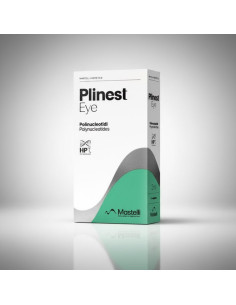
Plinest Eye – 2ml polynucleotide gel for the eye area
  • New

Plinest Eye – 2ml polynucleotide gel for the eye area

100367
Plinest Eye is a: CE-certified medical device (sterile gel) Contains highly purified polynucleotides (HPT™ technology) Developed for intradermal use in the periocular area Aesthetically supports skin structure through hydrating and structural properties Specifically formulated for the delicate eye area For use by authorised medical professionals...
immediately available
€84.95
€84.95 35693,28
Showing 1-1 of 1 item(s)

Dermalfiller

Dermal fillers sometimes referred to as soft tissue fillers are substances that are injected beneath the surface of the skin to add volume and fullness.

Substances used in dermal fillers include:

  • Calcium hydroxylapatite , a mineral compound found in bones.
  • Hyaluronic acid, found in some fluids and tissues of the body that add fullness to the skin.
  • Polyalkylimide, a transparent gel that is compatible with the body.
  • Polylactic acid, which stimulates the skin to produce more collagen .
  • Polymethyl methacrylate microspheres (PMMA), a semi-permanent filler

Each of these is designed to treat various signs of aging or other cosmetic issues.

The time they take to work and how long they last also vary. Some dermal fillers last 6 months, while others last up to 2 years or longer.

People should discuss their individual needs and expectations with their doctor to find out which filler is the best choice for them.

What can dermal fillers correct?

Different types of dermal fillers have been developed to treat different signs of aging. Depending on the filler selected, they can:

  • plump thinning lips
  • improve or fill flat areas on the face
  • Reduce or remove the shadow or wrinkles under the eyes caused by the lower eyelid
  • Fill or soften the appearance of deepened scars
  • fill or soften static wrinkles, especially on the underside of the face
  • Static wrinkles include those around the mouth and along the cheeks. These wrinkles are usually the result of a loss of collagen and elasticity in the skin.

Dermal filler risks and considerations

Dermal fillers are considered safe, but side effects can occur. The most common problems are:

  • Rash, itching or pimple-like eruptions
  • Redness, bruising, bleeding or swelling
  • undesirable appearance such as asymmetry, lumps, or overcorrection of wrinkles
  • Skin damage causing soreness, infection or scarring
  • Ability to feel the filler substance under the skin
  • Blindness or other vision problems
  • Death of skin cells due to a loss of blood flow to the area

Why are dermal fillers used?

Age-related skin changes

As we age, our bodies begin to lose collagen, which is found in our skin, muscles, bones and connective tissue. The loss of collagen causes the skin to become saggy and lose volume.

Symmetry and volume enhancement

Dermal fillers can also be used to improve the symmetry of facial features and fill in lips and cheeks.

Symmetry and volume enhancement

Dermal fillers can also be used to improve the symmetry of facial features and fill in lips and cheeks.

Types dermal fillers

There are different types of dermal fillers, each with its own advantages and properties.

Hyaluronic acid (HA)

Hyaluronic acid is a natural acid that occurs in our skin and gives it volume and moisture. With age, our body produces less hyaluronic acid.

Calcium hydroxylapatite (CaHA)

CaHA is a type of filler that consists of a substance found in our bones. The result usually lasts for about a year.

Polyalkylimides

Polyalkylimide is a semi-permanent dermal filler commonly used to treat deep wrinkles and fill in the lips.

Autologous fat transfer

In this procedure, fat is taken from a part of the body and injected into the face.

How do dermal fillers work?

Dermal fillers work by injecting a gel-like substance into the skin that replenishes lost volume and gives the skin a smoother, fuller appearance.

Advantages of dermal fillers

Restoration of the volume of the face

As we age, we lose subcutaneous fat tissue in front of the facial muscles, which can lead to wrinkles. Dermal fillers can restore the lost volume and give you a more youthful appearance.

Smoothing fine lines and wrinkles

Dermal fillers can help counteract the signs of aging that usually accompany the formation of wrinkles and lines.

Improvement of the general appearance of the skin

Skin damage can occur for many reasons, including excessive sun exposure or lifestyle and heredity. Dermal fillers can improve the texture and tone of the skin, giving it a more radiant and fresh appearance.

Conclusion

Dermal fillers are an effective way to improve the appearance and elasticity of the skin and give it a more youthful appearance. Choosing the right filler depends on individual needs and the desired result. It is important to seek advice from a qualified professional to ensure you make the right choice.

Frequently Asked Questions (FAQs)

  • What are dermal fillers?

Dermal fillers are injections designed to restore volume to the face, smooth wrinkles and fill wrinkles.

  • How do dermal fillers work?

Dermal fillers work by injecting a gel-like substance into the skin that restores lost volume and gives the skin a smoother, fuller appearance.

  • What are the benefits of dermal fillers?

Dermal fillers can help restore facial volume, smooth fine lines and wrinkles, and improve the overall appearance of the skin.

  • How long do dermal f iller results last?

Results from dermal fillers can last anywhere from six months to two years, depending on the type of filler.

  • Are there any risks or side effects associated with dermal fillers?

As with any cosmetic procedure, there are risks such as infection, bleeding and bruising. It is important to have these treatments performed by qualified medical professionals.

Product added to wishlist
Product added to compare.
group_work Cookie consent