


















Can PRP be used to treat knee osteoarthritis?
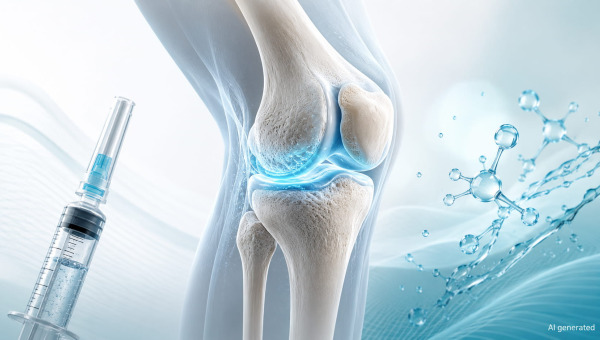
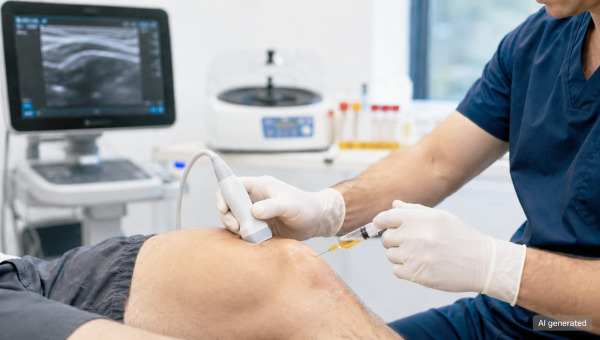
PRP treatment of the knee has many advantages over traditional surgical methods, which often lead to frequent visits to the doctor and recurrence of injury.
Injections of PRP can significantly reduce the symptoms of osteoarthritis without surgery.
Osteoarthritis, soft tissue injuries and muscle injuries are common knee problems that can be solved with non-surgical platelet plasma treatment.
Mode of action of Platelet Rich Plasma (PRP)
If you have muscle damage that just won't heal, osteoarthritis of the knee or other muscle or tendon problems, PRP knee therapy can help.
PRP knee injections stimulate the healing of tendons, ligaments, muscles and joints by isolating and activating the growth factors that occur naturally in your blood.
Providing these factors in high concentrations naturally stimulates your body's repair processes, improves knee function and reduces pain associated with injury.
PRP therapy for osteoarthritis
There are several treatments for osteoarthritis, including exercise, weight control, support, non-steroidal anti-inflammatory drugs, Tylenol, cortisone preparations and a viscous preparation. This procedure consists of injecting a gel-like substance into the knee to supplement the joint's natural lubrication. A new treatment that few doctors are investigating is PRP injections.
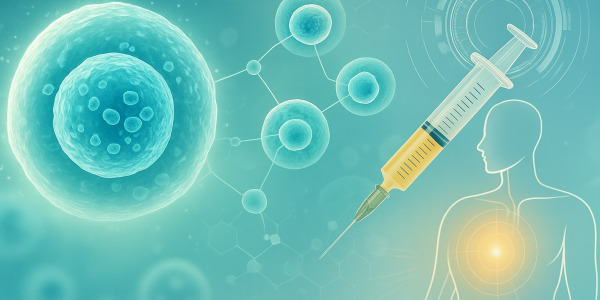
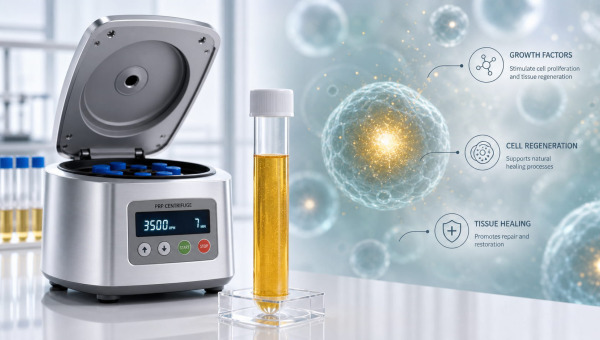
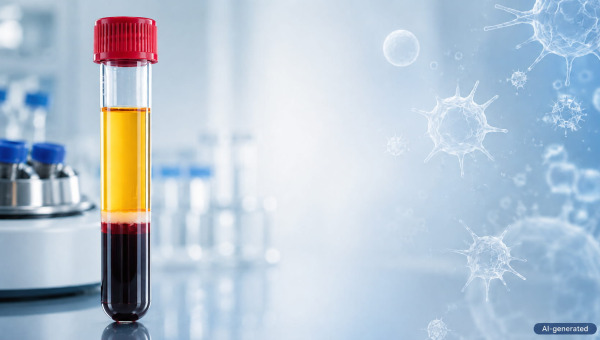
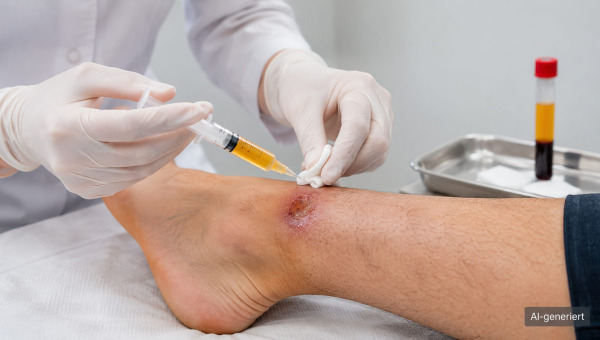
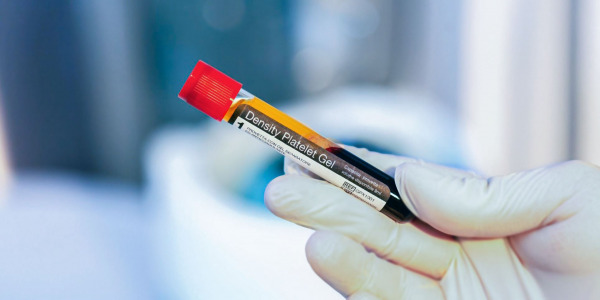
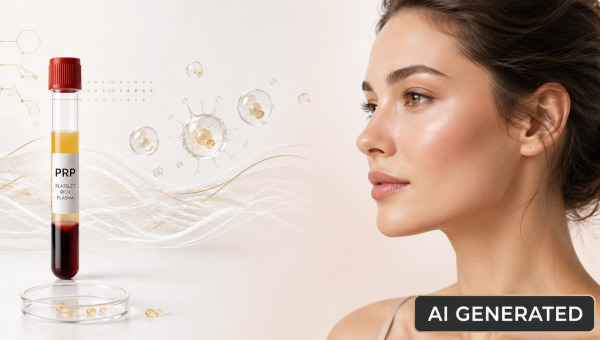
Therapeutic rich plasma (PRP) treatment involves injecting a high concentration of plasma that contains growth factors from your own blood. The concentrated formula improves the healing ability of the human body.
Plasma injections for knee pain are rapidly gaining acceptance in the medical community as an effective non-surgical treatment for knee muscle injuries.
In fact, a study by researchers at Special Surgical Hospital showed that PRP injections for knee pain show promise in treating knee osteoarthritis. The results of the study, published in the Clinical Journal of Sports Medicine, concluded that Prp knee treatment improved pain and function and appeared to delay the development of osteoarthritis in up to 73% of patients in the study. Source: https://www.hss.edu/newsroom_prp-treatment-potential-for-knee-osteoarthritis.asp
Advantages of PRP treatment
- Accelerated wound healing.
- Reduction of the symptoms of osteoarthritis.
- Relief of muscle and joint pain.
- Reduction of scars during surgery.
- Increased bone-forming activity.
- Increased growth of blood vessels.
Knee pain is usually caused when the cartilage and buffering agents in the knee joint disappear with age. You can also develop knee problems after an injury or if you are an active athlete. Plasma injections into the knee can help regenerate cartilage and lubricants. The PRP serum contains a concentration of mesenchymal stem cells, cytokines, platelets, growth factors and other healing elements that can repair torn cartilage.
Knee pain caused by arthritis can be treated with platelet-rich plasma knee therapy, thereby repairing injured ligaments, tendons and muscles.
Combination of PRP with hyaluronic acid
The National Centre for Biotechnical Information reports that patients who used a combination of HA and PRP showed better improvement. The results were more promising than the patients' individual treatments. The introduction of the new modality allowed patients to postpone the need for knee replacement surgery. Source: https://www.ncbi.nlm.nih.gov/pmc/articles/PMC5227106/
Related topics
Who is allowed to perform PRP treatment?
Who may perform PRP treatment in Germany? This guide explains the legal position for physicians, dermatologists, orthopaedists, dentists, Heilpraktiker, beauticians and medical practice staff, separating blood collection, PRP preparation, application and professional responsibility.
Read moreFreeze-Dried Platelet-Rich Plasma (PRP): What Research Shows About PRP Powder
What exactly is PRP powder? Research has explored freeze-dried PRP, platelet lysates and cell-reduced platelet-derived concentrates for years. This article explains how these product families differ, what happens during lyophilization and reconstitution, which biological properties may be preserved and how strong the clinical evidence currently is. It also examines standardization, storage and the regulatory framework in Germany and the EU.
Read morePRPmed Professional Glossary – PRP, PRF, Centrifugation & Medical Devices
The PRPmed professional glossary explains key terms related to PRP, PRF, blood processing, centrifugation, RCF, RPM, PRP tubes, medical devices, MDR, CE marking, microneedling and aesthetic medicine. Clear definitions, distinctions, related terms and links to further professional information.
Read moreHettich EBA 200 MD for PRP & PRF: RCF, RPM, Rotor and Protocols
The Hettich EBA 200 MD Type 1810 is a medical centrifuge intended for separating human whole blood and blood components. This technical guide explains the E4413 rotor, RCF, RPM, effective radius and the correct transfer of PRP and PRF protocols. Includes an RCF/RPM calculator, reference table, Vi PRP-PRO calculation example and scientific classification of published PRF protocols.
Read moreJalupro Super Hydro or PRP? Differences in Biorevitalization and Skin Quality
Jalupro Super Hydro and PRP are often discussed in connection with biorevitalization and skin quality, but they are based on fundamentally different concepts. This article compares composition, origin, standardization, preparation and practical selection criteria. It also explains why a ready-to-use formulation containing hyaluronic acid, amino acids and peptides cannot be directly equated with an individually prepared autologous PRP product.
Read moreOrthovisc for osteoarthritis: composition, use and evidence
What is Orthovisc, what does it contain and how is it used? This article explains the intra-articular sodium hyaluronate solution, reviews its administration and safety, and shows why the evidence on hyaluronic acid injections for osteoarthritis is assessed differently.
Read morePolynucleotide Skin Boosters: How Rejuran Differs from Hyaluronic Acid Fillers and PRP
What are polynucleotides, and how should Rejuran Healer be classified? This article compares PN skin boosters with hyaluronic acid fillers and PRP while critically reviewing the available evidence.
Read moreVi PRP-PRO PRP Tubes: Product Data, CE 0425 and International Availability
This technical article brings together the key product and regulatory information for Vi PRP-PRO. It covers the material, additives, Class IIa status, CE 0425, the protocol of 1200 × g for 7 minutes and international ordering options for professional users.
Read moreRCF/RPM Calculator
Convert centrifugal force and rotational speed using the actual rotor radius. The calculator converts RCF to RPM and RPM to × g for the technical transfer of PRP, PRF and laboratory protocols.
Read moreWhich centrifuge for PRP and PRF? Buying guide for practices
Professional buying guide for PRP and PRF centrifuges: MDR, IVDR, RCF, RPM, rotor type, tube compatibility and practical requirements.
Read morePRP cost-benefit analysis: calculating treatments efficiently
Professional overview of PRP cost calculation: material use, tube requirements, contribution margin, amortisation, billing aspects and practice workflow.
Read moreMelatonin in PRP Therapy: Current Evidence in Hair Treatment
A factual overview of current research on melatonin, hair follicles and PRP in the context of dermatological hair treatments.
Read moreHow to Set PRP Centrifugation Correctly: RCF, RPM, Rotor and Time
Technical guide to setting PRP centrifugation correctly. The article explains the difference between RPM and RCF, the importance of rotor radius, rotor type, runtime, soft stop and system-specific PRP/PRF protocols.
Read morePRP Tubes Made of Glass or Plastic? Material Comparison for PRP & PRF
Technical comparison of PRP tubes made of glass and plastic. The article explains material properties, borosilicate glass, PET, intended purpose, CE marking and the selection of suitable tubes for PRP and PRF protocols.
Read moreHow to Identify Suitable PRP Tubes: CE, MDR and Documentation
A technical guide for professional users on selecting suitable PRP tubes. The article explains intended purpose, CE marking, MDR, IVD distinction, LOT/UDI documentation and key material features.
Read morePRP Tubes With or Without Separation Gel? PRP & PRF Comparison
Technical comparison of PRP tubes with separation gel and PRP/PRF glass tubes without separation gel. The article explains key differences regarding sodium citrate, separation gel, PRF suitability and professional use.
Read morePRP and the role of nutrition: Optimizing patient response through pre- and post-therapeutic measures
Nutrition can make all the difference: Discover how micronutrients, a low-inflammatory diet, and targeted preventive measures improve the effectiveness of PRP therapies—scientifically proven and explained in practical terms.
Read morePRP in pain therapy: beyond the joints - new indications and protocols
Discover the revolutionary applications of Platelet Rich Plasma (PRP) in pain management that go far beyond joint pain. This article highlights how PRP effectively treats neuropathic pain, fascial disorders and chronic back pain, and provides medical professionals with sound insights into protocols, practical considerations and legal aspects. Learn how PRP has the potential to make a lasting difference in pain management. Translated with DeepL.com (free version)
Read morePRP treatment: When caution is advised – A comprehensive guide to contraindications for medical professionals and patients
Not everyone benefits from PRP: Find out in this article who is not suitable for autologous blood therapy for hair loss, osteoarthritis, or skin treatments. With medical depth, clear explanations, and references to studies – understandable for patients and doctors.
Read moreTelozytes and their symphony with PRP
Telozytes—the unknown communication cells—unleash fascinating potential in regenerative medicine when combined with PRP. Discover how this cell duo could revolutionize tissue healing. Find out now!
Read moreThe symphony of hearing: How the body's own PRP is giving new hope in otology
PRP (platelet-rich plasma) is increasingly revolutionizing otology. This specialist article provides in-depth, practical information on how PRP is used to treat sudden hearing loss, tinnitus, and cochlear damage, including studies, protocols, recommended materials, and legally compliant application.
Read morePRP and Liver Regeneration: Research on Fibrosis and Cirrhosis
Can platelet-rich plasma influence regenerative processes in the liver? Preclinical studies indicate possible effects on inflammation, oxidative stress and fibrotic signalling. However, reliable clinical evidence in humans is still lacking. This article examines proposed mechanisms, animal studies, PRP-derived vesicles and the limitations of this experimental approach.
Read moreTemperature-controlled PRP in modern medicine: basics, advantages, and applications
t-PRP – temperature-controlled platelet-rich plasma – is considered the next stage in autologot-PRP uses temperature changes to activate platelets without chemical additives. Initial in vitro data suggest a delayed release of growth factors. Overview of methodological principles, preliminary evidence, and potential applications in dermatology, orthopedics, and other specialties.us blood therapy. Without any additives, it activates the body's healing powers in a targeted, long-lasting, and particularly well-tolerated manner. New applications are emerging in aesthetics, trichology, urology, and gynecology. Find out what makes t-PRP so unique – medically sound and explained in an exciting way.
Read moreUnderstanding and managing PRP side effects: A guide for patients and physicians
Understand the side effects that can occur with PRP treatments in aesthetics, orthopedics, urology, gynecology, and trichology. This guide for physicians shows how common complications are—and how to avoid them professionally.
Read moreROI analysis: Is investing in PRP worthwhile for your practice?
The article will contain a detailed cost-benefit analysis for the implementation of PRP treatments in various specialist areas, taking into account acquisition costs, running costs, pricing, and patient retention.
Read morePhotoactivated PRP (PAPRP): Biological Background, Evidence Base and Practical Considerations
Professional article for physicians and medical professionals on photoactivated PRP: biological background, current evidence and practical considerations.
Read morePRP in Psychiatry: Research on Depression and Anxiety Disorders
What role could platelets, BDNF and inflammatory processes play in depression and anxiety disorders? This article reviews the evidence and explains why PRP is not an established psychiatric treatment.
Read morePRP Therapy in Animals: Applications and Evidence in Horses, Dogs and Cats
PRP is studied in veterinary medicine mainly for selected orthopaedic conditions and injuries. This article reviews possible applications in horses, dogs and cats and explains the current evidence, potential risks and important limitations.
Read morePRP Exosomes and Extracellular Vesicles: What the Research Shows
What does science actually tell us about so-called PRP exosomes? This professional article examines platelet-derived extracellular vesicles (EVs), current MISEV2023 terminology, separation and characterization, the available evidence, safety considerations and the regulatory framework. Preclinical findings are clearly distinguished from clinically established applications.
Read moreKIPIC Needles for PRP: Sizes, Selection Criteria and 34G × 8 mm Compared
Which KIPIC needle is suitable for a specific PRP protocol? This guide explains the differences between 25G and 34G needles, compares lengths from 4 to 42 mm and shows why the finest needle is not automatically the best choice. It includes a technical size comparison, information on flow resistance and viscosity, and a dedicated section on the new KIPIC 34G × 8 mm for suitable microinjection techniques.
Read moreMatching PRP Tubes and Centrifuges: Compatibility, Settings and Protocol
Which PRP tubes are compatible with which centrifuge? This article explains RCF, RPM, rotor radius, balancing and documentation using Vi PRP-PRO tubes and the Hettich EBA 200 MD as a reference. Reference setting: 1,200 × g for 7 minutes, equivalent to approximately 3,500 rpm at an 86 mm rotor radius. Current manufacturer instructions and IFUs remain binding.
Read morePRP Preparation in Hair Medicine: Tubes, RCF and Centrifugation
PRP is not a single standardized preparation. Tube system, anticoagulant, rotor radius, RCF, centrifugation time and cellular composition can influence the resulting PRP. This specialist article explains why PRP studies in hair medicine are only partly comparable, why RCF is more informative than RPM alone and which preparation parameters medical professionals should document.
Read moreOvarian Insufficiency and PRP Therapy
Intraovarian PRP is being investigated in women with diminished ovarian reserve, poor ovarian response and POI. This evidence review examines current randomized trials, meta-analyses and guidelines, distinguishes POI, DOR and POR, and explains why changes in AMH or AFC should not automatically be equated with improved pregnancy or live-birth outcomes.
Read moreDermaroller and its application: synergies with PRP, serums and hyaluronic acid.
Dermaroller is specifically designed to stimulate the natural regeneration of the skin and is increasingly used in combination with other treatments such as PRP, serums and hyaluronic acid.
Read morePRP Penile Injection for Erectile Dysfunction: Procedure, Evidence and Risks
PRP injections into the erectile tissue are being studied as a possible regenerative approach for erectile dysfunction. This article reviews the procedure, clinical evidence, risks and current guideline position.
Read moreRequired equipment and consumables for PRP treatment
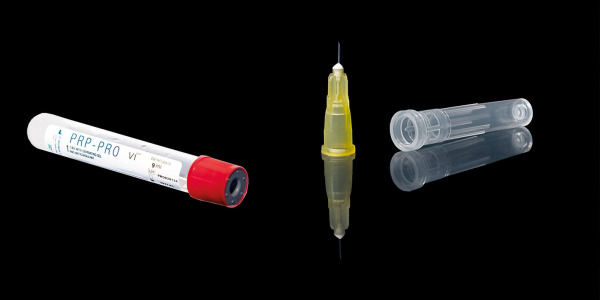
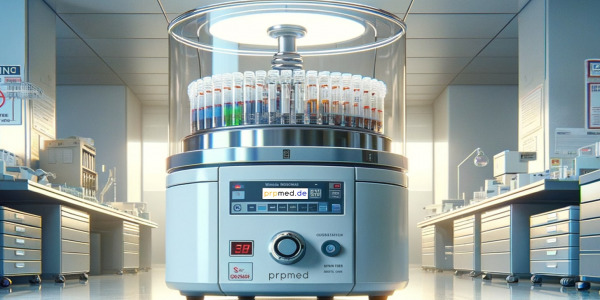
A PRP treatment requires special equipment and consumables. These include a centrifuge, tubes, syringes and needles.
Read moreCan PRP be combined with biorevitalization?
PRP and hyaluronic-acid-based biorevitalization may be used within a combined treatment plan. The specific products, method of application and distinction between separate use and a dedicated combination system are essential.
Read morePRP injections for lips
PRP injections in the lips are mainly used with the aim of improving surface texture, colour and fine lines. Reliable volume enhancement has not been proven. This article explains the procedure, risks, limitations and current evidence.
Read moreQuestions and answers about carboxytherapy
What is carboxytherapy, how should the available evidence be assessed, and how does the procedure differ from PRP? This article explains mechanisms, risks, practice requirements and PRP workflows without making general claims of effectiveness.
Read morePRP Treatment: Effects, Costs and Procedure at a Glance
How much does PRP treatment cost, how does it work and what is actually supported by evidence? This article gives a clear and sober overview.
Read morePRP Therapy: Therapeutic Properties, Mechanisms and Limitations
PRP therapy uses platelet-rich plasma prepared from the patient’s own blood. This article explains its mechanisms of action, investigated applications, scientific evidence, possible risks and limitations.
Read moreSaving Lives: Blood Plasma
Blood plasma is used as a blood component and as a starting material for essential medicines. This article explains its functions, medical uses, safety aspects and the clear distinction from autologous PRP.
Read morePRP Inhalation and PRP Nebulizers: What Does the Research Show?
Nebulized PRP or platelet lysate is being studied as an experimental approach for respiratory diseases. This article reviews the proposed mechanism, available evidence, safety issues and unanswered questions.
Read moreWhat is regenerative medicine?
Regenerative medicine encompasses many different innovative therapies whose goal is autologous (the body's own) tissue regeneration.
Read morePRP Treatment in Sports Medicine: Uses, Evidence and Limitations
PRP is used in sports medicine for selected tendon disorders, muscle injuries and degenerative joint conditions. This article explains the biological principles, the treatment process and why the available evidence differs considerably between indications.
Read morePRP treatment for rosacea
Rosacea is a chronic inflammatory skin condition with different clinical presentations. This article reviews the current evidence on PRP, explains the limitations of the available studies and clarifies which conclusions can be drawn from the existing data.
Read moreTreatment of cellulite with PRP (platelet rich plasma)
Cellulite develops through the interaction of skin, fibrous septa, subcutaneous fat and individual anatomy. This article explains its development, severity, differentiation from oedema and lipedema, and the limited evidence on PRP.
Read moreHair Loss Support and Treatment
Hair loss, also called alopecia, is complete or partial baldness due to hormonal changes or physical or psychological stress.
Read morePlasma growth factors in cerebral palsy
PRP in cerebral palsy has been investigated for several years as a possible regenerative approach. Direct clinical evidence, however, remains very limited. This article reviews the early PRP studies from 2015 and 2016, explains proposed biological mechanisms and shows why findings from cord blood or cell therapies cannot be transferred to PRP. Therapeutic efficacy of PRP in cerebral palsy has not yet been sufficiently demonstrated clinically.
Read morePRP therapy for tendonitis
How should PRP be assessed for tendon pain and tendinopathy? This article compares the evidence for tennis elbow, Achilles, patellar and rotator cuff tendinopathies and explains risks, limitations and technical PRP workflows.
Read morePRP Treatment: Procedure, Effects, Benefits and Limitations
What is PRP treatment? A factual overview of platelet-rich plasma, how it is prepared, possible applications, effects, risks and limitations.
Read moreCan carpal tunnel syndrome be treated with PRP therapy?
Can PRP be used for carpal tunnel syndrome? This article reviews clinical studies, current guidelines and possible applications. Some trials report short-term improvements, but a reliable long-term benefit has not yet been established.
Read morePRP or dermal filler - Which should I choose?
People of all ages are concerned with combating various signs of skin ageing. Some of the most popular options for patients are injectables such as dermal fillers and platelet-rich plasma injections.
Read morePRP treatment after hair transplantation
PRP after hair transplantation is discussed as a complementary option in hair medicine. PRP is obtained from the patient's own blood and contains platelet-rich plasma. Studies show positive signals regarding hair density, graft survival, and postoperative parameters, but the data is heterogeneous. For reproducible PRP applications, suitable PRP tubes, an appropriate centrifuge, defined RCF values, and a standardized protocol are important. The timing and number of sessions should be determined by a physician.
Read moreWhat is the effect of PRP therapy in orthopaedics?
PRP is studied in orthopaedics for knee osteoarthritis, tendon disorders and selected sports injuries. This article explains its proposed effects, clinical evidence, limitations, risks and technical preparation.
Read morePlatelet-rich plasma: the key to PRP therapy
Platelet-rich plasma, or PRP, is prepared from a patient’s own blood and contains an increased concentration of platelets. This article explains its biological basis, preparation, differences between PRP products, and the current evidence on effects, safety, and standardisation.
Read moreDoes PRP treatment work for hair loss?
PRP is primarily studied for androgenetic hair loss. This article explains how PRP hair treatment is performed, what current research indicates about hair density, and why results may vary depending on the preparation method and treatment protocol.
Read morePRP treatment against melasma
Melasma is a chronic pigment disorder with different contributing factors and a marked tendency to recur. This article explains diagnosis, photoprotection, established treatment approaches and the current clinical evidence on PRP.
Read moreWhat are PRP tubes?
Platelet-rich plasma, better known as PRP, is an autologous procedure in which a person's whole blood is drawn. The platelets are then concentrated using a centrifuge and special PRP tubes. The platelets, which contain several growth factors, are then taken again -in this feature injected into the same person makes PRP alone a very safe procedure that eliminates the likelihood of contracting communicable diseases.
Read morePRP for Diabetic Foot Ulcers: Evidence, Potential and Limitations
PRP is being investigated as an adjunctive option for difficult-to-heal diabetic foot ulcers. This article reviews the current evidence, different application methods and why offloading, infection control and vascular assessment remain essential.
Read morePRP therapy for back pain
Professional overview of PRP therapy for back pain, discogenic pain, facet joints, sacroiliac joint pain and current evidence.
Read morePlatelet Rich Plasma (PRP) for brain injuries
PRP in brain injury is mainly being investigated in cell cultures and animal models. This article reviews the current evidence, explains the limits of translation to clinical practice and shows why PRP is not an established standard treatment for traumatic brain injury, stroke or encephalitis.
Read morePRP for Sports Injuries: Three Common Applications Reviewed
PRP is used in sports medicine for various muscle and tendon conditions. This article reviews tennis elbow, patellar tendinopathy and hamstring injuries and examines the current clinical evidence. The results vary considerably depending on the injury, the PRP preparation and the accompanying rehabilitation programme.
Read morePRP in Gynecology – A Critical Look at Vaginal Rejuvenation
PRP in gynecology is increasingly discussed in connection with vaginal atrophy, dryness, dyspareunia and sexual function. This article reviews the current evidence, clearly distinguishes PRP from PRF and i-PRF, and explains why standardization, centrifugation and PRP tubes matter for reproducible workflows.
Read morePRP treatment for wrist pain
PRP is being studied for several causes of wrist pain. This article reviews the evidence for de Quervain tenosynovitis, carpal tunnel syndrome, osteoarthritis and TFCC injuries, while explaining the current limitations.
Read moreWhy should you offer PRP injections in your medical practice?
When does PRP make sense for a medical practice? This expert article explains which patient groups may benefit from a PRP offering, how current evidence should be interpreted, and what matters in preparation, documentation, technical setup and billing. The focus is on a safe, reproducible clinical workflow with realistic medical communication and no promises of guaranteed results.
Read morePRP in COPD: current research and clinical findings
PRP is being investigated as a possible regenerative approach in COPD. This article reviews early clinical observations and preclinical data, explaining why positive signals do not yet amount to reliable proof of efficacy.
Read morePRP treatment for periodontal disease
PRP in periodontal disease: evidence, limits and practical clinical relevance for practitioners.
Read morePRP (Platelet Rich Plasma) therapy in dermatology
PRP is used in dermatology for androgenetic alopecia, atrophic acne scars, skin regeneration and selected wound-care concepts. This article reviews the current evidence, distinguishes established findings from preliminary data and explains why preparation method, treatment protocol and hygiene strongly influence clinical outcomes.
Read moreUse of PRP (Platelet Rich Plasma) therapy in dogs with pain.
PRP is being studied in veterinary orthopaedics for osteoarthritis, joint problems, and tendon or ligament injuries. This article explains the principle, procedure, possible applications, risks, and limited evidence without making general claims of healing.
Read morePRP (Platelet Rich Plasma) treatment for coccygodynia
Coccydynia describes persistent pain around the tailbone that may occur after falls, childbirth or prolonged pressure while sitting. This article explains diagnostic assessment and established treatment options and provides a balanced review of the current evidence on PRP injections. Initial case reports and small studies suggest possible benefits, but the available data are not yet sufficient for a general recommendation.
Read morePRP treatment for shoulder pain
Professional overview of PRP treatment for shoulder pain, rotator cuff disorders, shoulder osteoarthritis, frozen shoulder and current evidence.
Read moreMicroneedling for acne scars
Microneedling is mainly used for atrophic acne scars. This article explains scar types, the treatment mechanism, current evidence, possible risks and the combination with PRP.
Read morePRP (Platelet Rich Plasma) therapy for plantar fasciitis
PRP is being studied as an additional treatment option for chronic or difficult-to-treat plantar fasciitis. This article reviews possible applications, compares PRP with corticosteroid injections and explains the current evidence, risks and conservative alternatives.
Read moreWhat are platelet rich plasma (PRP) injections?
Times have changed since the days of bloodshed, when doctors treated their patients by drawing blood from them. Now a procedure called platelet-rich plasma therapy has emerged in which some of the blood is injected back into a diseased joint. You could say it's bloodshed in reverse.
Read moreDoes PRP therapy help with tennis elbow?
Does PRP therapy help with tennis elbow? We examine the use of autologous plasma in orthopedics, explain the biological mechanisms of action of concentrated platelets, and provide an overview of the current state of scientific discussion regarding this treatment method.
Read morePRP therapy for eye diseases
This specialist article reviews the use of autologous PRP eye drops in ophthalmology. It covers the current evidence for ocular surface disorders, possible clinical applications, and the professional preparation of PRP using suitable PRP tubes and a compatible centrifuge such as the Hettich EBA 200 MD.
Read morePRP treatment for knee pain
Does PRP treatment work for knee pain? Platelet-rich plasma (PRP) injections are a novel treatment for pain associated with osteoarthritis of the knee.
Read morePRP treatment for erectile dysfunction
Erectile dysfunction can have vascular, hormonal, neurological, medication-related or psychological causes. This article explains established treatment approaches, reviews the current evidence on PRP and outlines how urological guidelines assess the procedure.
Read morePRP injection or cortisone injection? - Which is the best option?
PRP and cortisone differ in their therapeutic concepts. Cortisone is used medically for local anti-inflammatory treatment and short-term symptom control. PRP is derived from the patient's own blood and is discussed within the context of biological therapy concepts. Suitable PRP tubes, an appropriate centrifuge, defined RCF values, and a reproducible protocol are important for PRP preparation. The decision between PRP and cortisone depends on the diagnosis, tissue, inflammatory activity, and medical indication.
Read moreThe right care after PRP treatment
Proper care after PRP treatment is not a minor issue, yet it is often communicated imprecisely. This article explains what is actually sensible after PRP, where the evidence stops, and why standardization in preparation, centrifugation, and PRP tubes matters for reproducible workflows.
Read moreTreat dark circles with PRP therapy
Dark circles may result from pigmentation, visible blood vessels, a pronounced tear trough, thin skin, swelling or several combined factors. This article explains the causes, clinical studies on PRP, safety data and technical aspects of PRP preparation.
Read morePRP therapy for injury scars
Traumatic, surgical and burn scars develop under different biological conditions. This article explains scar types, wound healing, clinical studies on PRP, safety data and technical aspects of PRP preparation without recommending for or against a treatment.
Read moreWound healing through PRP therapy
PRP is being studied as an adjunctive procedure in wound healing, particularly for chronic diabetic foot ulcers. This article explains the biological rationale, current evidence, possible applications, and limitations.
Read morePRP treatment for acne
PRP is mainly discussed for acne scars as an adjunctive approach to procedures such as microneedling, laser treatment or subcision. This article provides a factual review of the current evidence, clearly separates active acne from post-acne scarring, and explains why PRP preparation, tubes, centrifugation and protocols matter for professional users.
Read moreDensity Platelet Gel PRP Tubes Without Additives: PRP and PRF Protocols Compared
What makes Density Platelet Gel PRP tubes different from conventional PRP tubes? This professional guide explains glass tubes without anticoagulant or separation gel, PRF protocols such as L-PRF, A-PRF and A-PRF+, and the relevance of RCF, centrifugation time, tube material and centrifuge geometry. It also includes calculated values for the Hettich EBA 200 MD and distinguishes literature protocols from manufacturer specifications.
Read morePRP for the Face: Potential Benefits, Procedure and Limitations
PRP is used in aesthetic medicine to support skin quality using components obtained from the patient’s own blood. This article explains the procedure, potential effects, risks and limitations of facial PRP treatment.
Read morePRP Skin Treatments: What New Studies Show About Skin Ageing and Acne Scars
PRP skin treatments are being studied for their potential effects on specific skin properties and as an adjunctive approach for atrophic acne scars. This article reviews current research on skin elasticity, skin thickness, wrinkles, microneedling and PRF. It also explains why PRP tubes, centrifugation and preparation protocols can influence the final PRP product and study results.
Read morePRP for Hair Loss: Follow-up, Possible Reactions and Frequently Asked Questions
When can changes after PRP for hair loss be assessed meaningfully? Which local reactions have been reported in clinical studies, and how should increased shedding be interpreted? This specialist article examines follow-up, possible reactions, shedding and standardized outcome documentation based on current scientific literature, without promising fixed results.
Read more